
The Gentle Art of Slowing Down
The Gentle Art of Slowing Down
Slowing down is more than just taking a break — it’s a conscious choice to live at a pace that allows space for reflection, connection, and clarity. In a world that celebrates speed, learning to slow down can feel radical, but it’s a powerful way to reclaim presence and peace.
Slowing down is more than just taking a break — it’s a conscious choice to live at a pace that allows space for reflection, connection, and clarity. In a world that celebrates speed, learning to slow down can feel radical, but it’s a powerful way to reclaim presence and peace.
July 5, 2025
July 5, 2025
Why slowing down feels so hard.
We live in a culture that celebrates speed — faster results, instant responses, constant productivity. In that environment, slowing down can feel uncomfortable, even risky. But when life moves too quickly, we often miss the moments that matter most.
Slowing down is not falling behind.
It’s easy to believe that if we stop, we’ll lose momentum or opportunities. In reality, slowing down allows us to act with more clarity and intention. When you take the time to pause, you see things you might have overlooked in the rush, and you make choices that better align with your values.
“Slowing down is not a sign of weakness. It’s a commitment to living fully.”
Slowing down doesn’t mean doing nothing. It means moving at a pace that feels sustainable — one where you can think clearly, breathe deeply, and stay connected to yourself. That might mean saying no to extra commitments, scheduling more breaks, or simply walking more slowly through your day.
The benefits you’ll notice.
When you slow down, stress levels drop. Your focus improves. Relationships deepen because you’re more present. And perhaps most importantly, you start to feel less like you’re chasing life and more like you’re living it.
Bringing it into your life.
Start small. Take a few minutes in the morning to drink your coffee without distractions. Step outside for fresh air between tasks. Leave a little extra time between appointments. These small acts can shift your entire day — and over time, your whole life.
Why slowing down feels so hard.
We live in a culture that celebrates speed — faster results, instant responses, constant productivity. In that environment, slowing down can feel uncomfortable, even risky. But when life moves too quickly, we often miss the moments that matter most.
Slowing down is not falling behind.
It’s easy to believe that if we stop, we’ll lose momentum or opportunities. In reality, slowing down allows us to act with more clarity and intention. When you take the time to pause, you see things you might have overlooked in the rush, and you make choices that better align with your values.
“Slowing down is not a sign of weakness. It’s a commitment to living fully.”
Slowing down doesn’t mean doing nothing. It means moving at a pace that feels sustainable — one where you can think clearly, breathe deeply, and stay connected to yourself. That might mean saying no to extra commitments, scheduling more breaks, or simply walking more slowly through your day.
The benefits you’ll notice.
When you slow down, stress levels drop. Your focus improves. Relationships deepen because you’re more present. And perhaps most importantly, you start to feel less like you’re chasing life and more like you’re living it.
Bringing it into your life.
Start small. Take a few minutes in the morning to drink your coffee without distractions. Step outside for fresh air between tasks. Leave a little extra time between appointments. These small acts can shift your entire day — and over time, your whole life.
— Anna Keller, Therapist & Founder of ClearPath
— Anna Keller, Therapist & Founder of ClearPath
our journal
our journal
More insights for you.
More insights for you.
Explore more reflections, guidance, and practical tools to support your growth and well-being.
Explore more reflections, guidance, and practical tools to support your growth and well-being.

Beyond techniques or tools, therapy works best when it feels safe, real, and human.
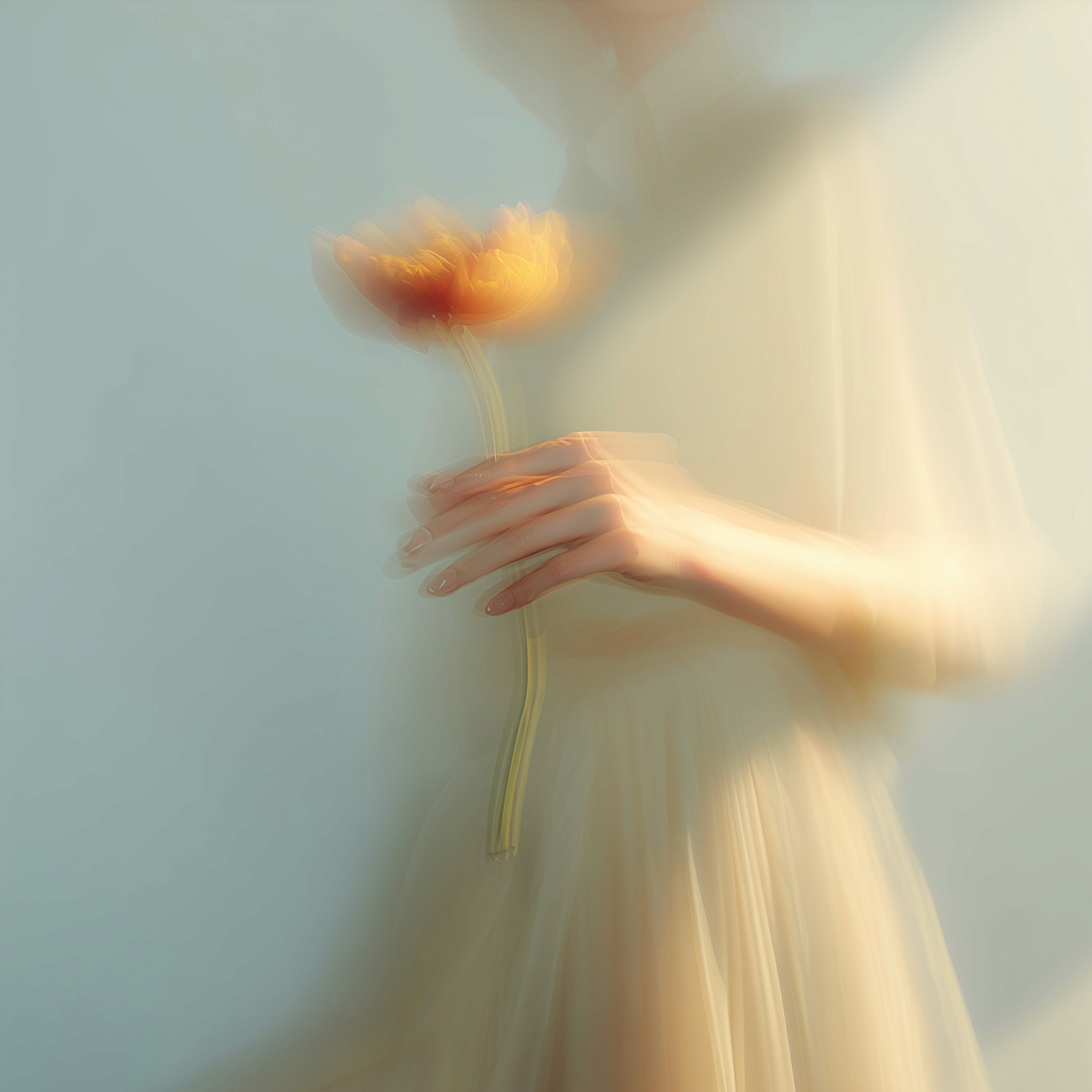
Letting go is one of the hardest — and most transformative — things we do. It asks us to release control, loosen our grip, and trust that something better might come in its place.
Letting go is one of the hardest — and most transformative — things we do. It asks us to release control, loosen our grip, and trust that something better might come in its place.
Common questions.
If you’re unsure about anything, a conversation is the best place to start. Please do get in touch and I'll be happy to answer any questions.
What is Kambo?
Kambo is a medicine that works directly with the body.
It comes from the Phyllomedusa bicolor frog in the Amazon and can be understood both scientifically and spiritually as a physical process that also supports deeper release.
People come to it for different reasons, often with a sense that something needs to shift.
What is Kambo?
Kambo is a medicine that works directly with the body.
It comes from the Phyllomedusa bicolor frog in the Amazon and can be understood both scientifically and spiritually as a physical process that also supports deeper release.
People come to it for different reasons, often with a sense that something needs to shift.
What happens during a session?
What happens during a session?
The process begins with a conversation beforehand to understand why someone feels called and to ensure it is safe and appropriate.
On the day, time is taken to arrive slowly. The Kambo is then applied through small points on the skin. The experience is short but can be intense, followed by time to rest and integrate.
Is it safe, and is it right for me?
Is it safe, and is it right for me?
Kambo needs to be approached with care.
There are situations where it is not appropriate, and safety always comes first. A thorough check is done beforehand so everything feels clear and informed.
What does it feel like?
What does it feel like?
For a short period, the body goes through a strong process.
People often experience heat, pressure, and release. It can feel intense, but it passes.
Afterwards, many describe a sense of clarity, lightness, and renewed energy.
How should I prepare?
How should I prepare?
Preparation is simple, but important.
Clear guidance is shared in advance around food, hydration, and how to arrive. There is also space to reflect on intention, without needing to force anything.
How will I feel afterwards?
How will I feel afterwards?
This varies from person to person.
Some people feel clear and energised. Others feel more quiet and need rest.
Giving space afterwards is an important part of the process.
Where are you located?
Where are you located?
Sapo Sagrado ceremonies take place typically in Benji's home, an oasis of calm in Campo de Santa Catarina. Upon request, he can facilitate in a different space, it's just a conversation away.
Common questions.
If you’re unsure about anything, a conversation is the best place to start. Please do get in touch and I'll be happy to answer any questions.
What is Kambo?
Kambo is a medicine that works directly with the body.
It comes from the Phyllomedusa bicolor frog in the Amazon and can be understood both scientifically and spiritually as a physical process that also supports deeper release.
People come to it for different reasons, often with a sense that something needs to shift.
What is Kambo?
Kambo is a medicine that works directly with the body.
It comes from the Phyllomedusa bicolor frog in the Amazon and can be understood both scientifically and spiritually as a physical process that also supports deeper release.
People come to it for different reasons, often with a sense that something needs to shift.
What happens during a session?
What happens during a session?
The process begins with a conversation beforehand to understand why someone feels called and to ensure it is safe and appropriate.
On the day, time is taken to arrive slowly. The Kambo is then applied through small points on the skin. The experience is short but can be intense, followed by time to rest and integrate.
Is it safe, and is it right for me?
Is it safe, and is it right for me?
Kambo needs to be approached with care.
There are situations where it is not appropriate, and safety always comes first. A thorough check is done beforehand so everything feels clear and informed.
What does it feel like?
What does it feel like?
For a short period, the body goes through a strong process.
People often experience heat, pressure, and release. It can feel intense, but it passes.
Afterwards, many describe a sense of clarity, lightness, and renewed energy.
How should I prepare?
How should I prepare?
Preparation is simple, but important.
Clear guidance is shared in advance around food, hydration, and how to arrive. There is also space to reflect on intention, without needing to force anything.
How will I feel afterwards?
How will I feel afterwards?
This varies from person to person.
Some people feel clear and energised. Others feel more quiet and need rest.
Giving space afterwards is an important part of the process.
Where are you located?
Where are you located?
Sapo Sagrado ceremonies take place typically in Benji's home, an oasis of calm in Campo de Santa Catarina. Upon request, he can facilitate in a different space, it's just a conversation away.
Common questions.
If you’re unsure about anything, a conversation is the best place to start. Please do get in touch and I'll be happy to answer any questions.
What is Kambo?
Kambo is a medicine that works directly with the body.
It comes from the Phyllomedusa bicolor frog in the Amazon and can be understood both scientifically and spiritually as a physical process that also supports deeper release.
People come to it for different reasons, often with a sense that something needs to shift.
What is Kambo?
Kambo is a medicine that works directly with the body.
It comes from the Phyllomedusa bicolor frog in the Amazon and can be understood both scientifically and spiritually as a physical process that also supports deeper release.
People come to it for different reasons, often with a sense that something needs to shift.
What happens during a session?
What happens during a session?
The process begins with a conversation beforehand to understand why someone feels called and to ensure it is safe and appropriate.
On the day, time is taken to arrive slowly. The Kambo is then applied through small points on the skin. The experience is short but can be intense, followed by time to rest and integrate.
Is it safe, and is it right for me?
Is it safe, and is it right for me?
Kambo needs to be approached with care.
There are situations where it is not appropriate, and safety always comes first. A thorough check is done beforehand so everything feels clear and informed.
What does it feel like?
What does it feel like?
For a short period, the body goes through a strong process.
People often experience heat, pressure, and release. It can feel intense, but it passes.
Afterwards, many describe a sense of clarity, lightness, and renewed energy.
How should I prepare?
How should I prepare?
Preparation is simple, but important.
Clear guidance is shared in advance around food, hydration, and how to arrive. There is also space to reflect on intention, without needing to force anything.
How will I feel afterwards?
How will I feel afterwards?
This varies from person to person.
Some people feel clear and energised. Others feel more quiet and need rest.
Giving space afterwards is an important part of the process.
Where are you located?
Where are you located?
Sapo Sagrado ceremonies take place typically in Benji's home, an oasis of calm in Campo de Santa Catarina. Upon request, he can facilitate in a different space, it's just a conversation away.